
5 Costly Equipment Mistakes in Neonatal & Maternity Care — And How to Avoid Them, In neonatal and maternity care, equipment is more than a purchase — it is part of the care journey that protects both mother and baby during the most critical moments of life.
Yet many hospitals, clinics, maternity homes, and healthcare investors make costly equipment decisions that lead to breakdowns, workflow delays, avoidable emergencies, and expensive replacements.
The truth is:
A well-equipped maternity or neonatal unit is not necessarily the most expensive one. It is the one that is planned correctly.
As a neonatal & maternity solutions specialist, we have seen how the right equipment strategy improves patient outcomes, staff efficiency, and long-term operational sustainability.
Here are the 5 most common equipment mistakes in neonatal and maternity care — and how to avoid them.
1. Buying Equipment Based Only on Price
One of the biggest mistakes healthcare facilities make is choosing the cheapest option available without evaluating long-term reliability, service support, durability, or clinical performance.
In neonatal and maternity care, equipment failure is not just inconvenient — it can become life-threatening.
For example:
- A low-quality infant warmer with unstable temperature control can compromise newborn stabilization.
- An unreliable delivery bed can affect workflow during labor emergencies.
- Poor-quality suction or monitoring systems may fail during critical interventions.
How to Avoid It
Instead of focusing only on upfront cost, evaluate:
- Product durability
- Ease of maintenance
- Availability of spare parts
- Warranty support
- User friendliness
- Clinical efficiency
- Supplier reliability
A slightly higher investment in quality equipment often reduces repair costs, downtime, and emergency replacements later.
The goal is not to buy “cheap equipment.”
The goal is to invest in dependable care systems.
2. Setting Up a Maternity or Neonatal Unit Without Workflow Planning
Many facilities purchase equipment individually without considering how the entire department functions together.
This leads to:
- Congested spaces
- Poor movement during emergencies
- Unsafe newborn handling
- Staff fatigue
- Inefficient patient flow
For example:
A maternity ward may have excellent delivery beds but poor newborn resuscitation positioning.
Or a neonatal room may have incubators but lack proper transport systems and monitoring support.
How to Avoid It
Plan the unit as a complete ecosystem.
A properly designed setup should consider:
- Patient movement
- Emergency access
- Infection prevention
- Staff workflow
- Power backup compatibility
- Equipment spacing
- Future expansion
Every maternity and neonatal unit should function as one coordinated system — not isolated equipment pieces.
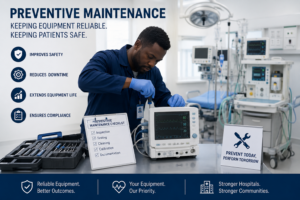
3. Ignoring Preventive Maintenance
Many healthcare facilities only react when equipment breaks down.
Unfortunately, neonatal and maternity equipment operates in highly sensitive environments where reliability is essential every day.
Common consequences of poor maintenance include:
- Temperature instability in infant incubators
- Battery failures in transport equipment
- Inaccurate patient monitoring
- Increased downtime
- Shortened equipment lifespan
How to Avoid It
Create a preventive maintenance culture.
This includes:
- Routine equipment inspections
- Scheduled servicing
- Staff equipment handling training
- Proper cleaning procedures
- Calibration checks
- Immediate reporting of faults
Preventive maintenance protects your investment and ensures equipment is always ready during emergencies.
In neonatal care especially, reliability can directly affect survival outcomes.
4. Underestimating the Importance of Neonatal Emergency Equipment
Some facilities focus heavily on maternity setup while overlooking neonatal emergency preparedness.
However, the first minutes after birth are critical.
Without the right neonatal support equipment, healthcare teams may struggle during:
- Premature deliveries
- Respiratory distress
- Low birth weight emergencies
- Neonatal resuscitation
- Patient transfers
How to Avoid It
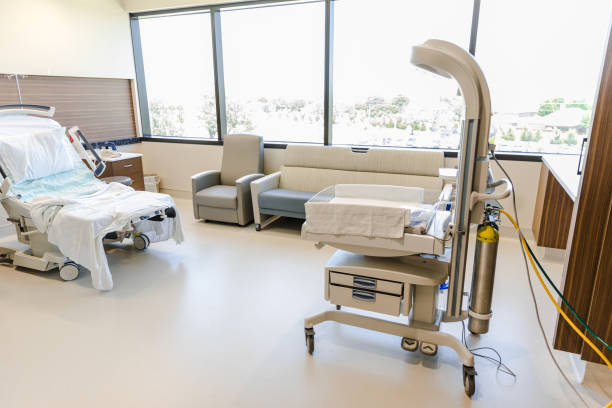
Every maternity setup should include essential neonatal support systems such as:
- Infant warmers
- Neonatal resuscitation units
- Transport incubators
- Phototherapy units
- Suction systems
- Neonatal monitoring equipment
- Oxygen support systems
A strong maternity unit must always be connected to a strong neonatal response system.
Mother and baby care should never be separated.
5. Working With General Suppliers Instead of Specialists
One of the most overlooked mistakes is sourcing critical maternity and neonatal equipment from suppliers who lack specialization in these areas.
General suppliers may sell equipment, but specialists provide:
- Clinical guidance
- Setup recommendations
- Equipment compatibility advice
- Workflow planning support
- Technical understanding
- Long-term partnership value
How to Avoid It
Partner with suppliers who understand:
- Neonatal workflows
- Maternity care environments
- NICU requirements
- Delivery room standards
- Equipment integration
- Hospital growth planning
A specialist helps you build systems that are efficient, scalable, and clinically aligned — not just supply products.
Final Thoughts
Building an effective neonatal and maternity unit goes beyond purchasing equipment.
It requires:
- Strategic planning
- Reliable systems
- Clinical understanding
- Long-term support
- Workflow optimization
- Emergency preparedness
The right equipment decisions can improve:
- Patient safety
- Staff efficiency
- Neonatal outcomes
- Operational sustainability
- Facility reputation
As a neonatal & maternity solutions specialist, our mission is not simply to supply equipment — it is to help healthcare facilities build safer, smarter, and more effective care environments for mothers and newborns.
Because in neonatal and maternity care, every detail matters.
Order from MJ Hospital Supplies today and get free delivery.
You can also follow us on our: Facebook Page: Mj Hospital Supplies for more updates.
Instagram Page:https://www.instagram.com/medjet_hospital/
Pinterest page: https://www.pinterest.com/mjhospitalsupplies/
Linked in page: https://www.linkedin.com/company/medjet-hospital-supplies-ltd/
Twitter Page: https://twitter.com/medjethospital
NICU Incubator: https://mjhospitalsupplies.co.ke/product/transport-nicu-incubator/