
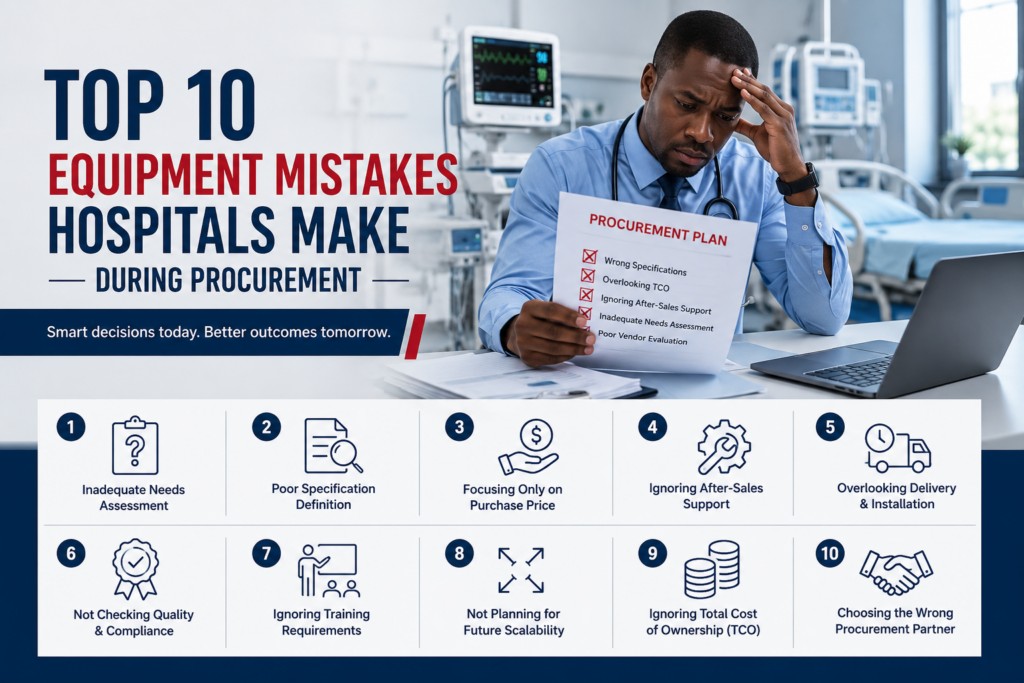
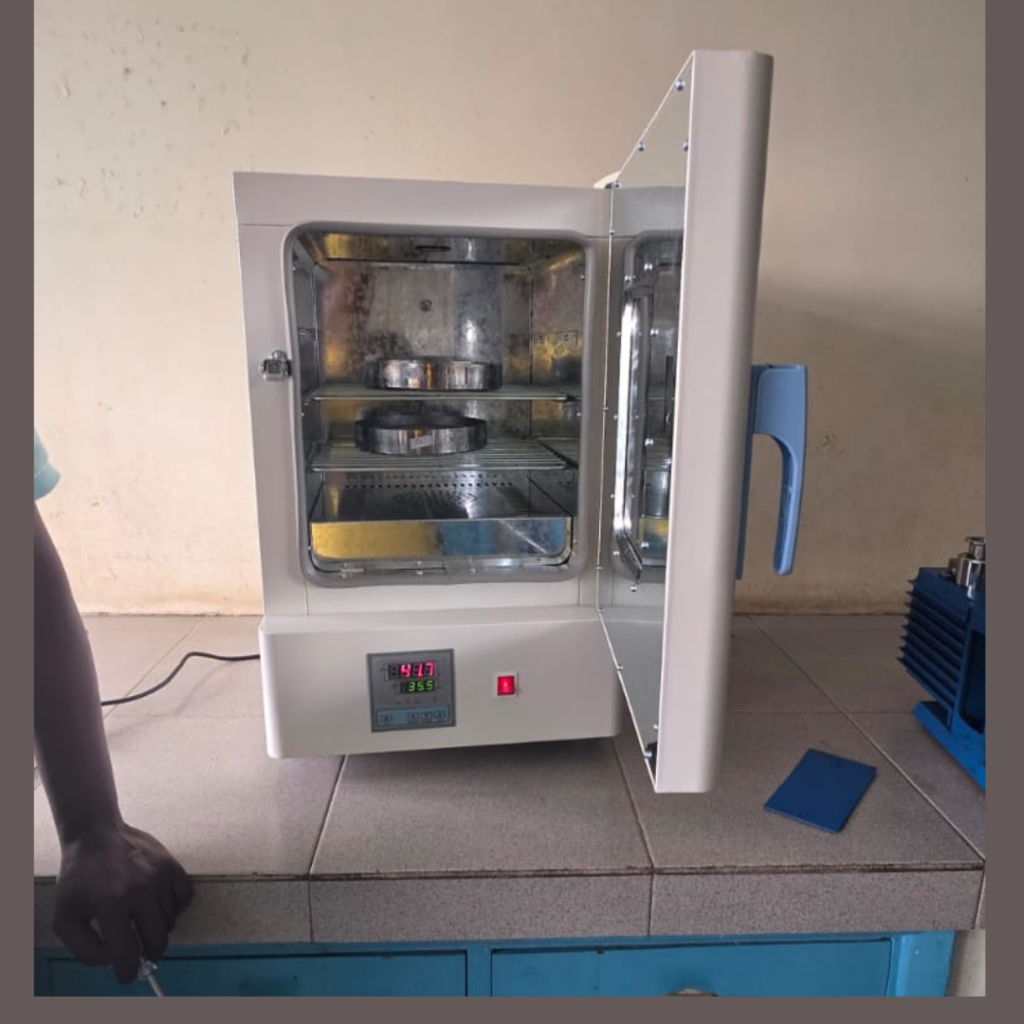
Top 10 Equipment Mistakes Hospitals Make During Procurement, In today’s fast-paced healthcare environment, the right medical equipment is more than a purchase — it’s an investment in patient outcomes, staff efficiency, and long-term facility growth. Yet many hospitals unintentionally make procurement mistakes that lead to costly repairs, downtimes, and compromised care.
Below are the top 10 most common equipment mistakes hospitals make — and how you can avoid them for smarter, safer, and more cost-effective procurement decisions.
1. Choosing Price Over Quality
Many facilities prioritize the lowest price without evaluating long-term value. Cheap equipment often leads to frequent failures, poor performance, and expensive repairs.
How to avoid it:
Focus on total cost of ownership (TCO) — including maintenance, spare parts, lifespan, and service support.
2. Ignoring After-Sales Support
A reliable machine is only as good as the support behind it. Some hospitals buy from vendors with no local technicians or spare parts.
How to avoid it:
Partner with suppliers who offer onsite support, quick turnaround times, and readily available parts, like Medjet.
3. Buying Equipment That Doesn’t Match Facility Needs
Sometimes hospitals buy devices too advanced or too basic for their actual workload, leading to underutilization or operational strain.
How to avoid it:
Conduct a needs assessment before purchasing — consider patient volume, department workflow, and staff skill level.
4. Not Verifying Equipment Standards & Certifications
Some facilities overlook the importance of safety standards such as IEC, CE, or FDA approvals.
How to avoid it:
Always confirm that the equipment meets international safety and performance standards to protect both patients and staff.
5. Overlooking Training Requirements
Even the best equipment fails when staff lack proper training.
How to avoid it:
Ensure your supplier provides hands-on training, user manuals, and continuous refresher support.
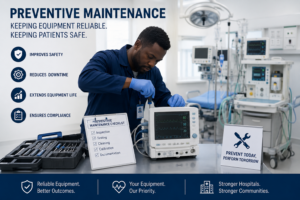
6. Not Planning for Preventive Maintenance
Hospitals often focus on repair after breakdowns, which increases downtime and costs.
How to avoid it:
Invest in a preventive maintenance plan to keep all equipment running at peak performance year-round.
7. Failing to Consider Future Scalability
Buying equipment that can’t grow with the hospital creates limitations.
How to avoid it:
Choose machines with upgradeable software, modular components, and future-ready features.
8. Purchasing Without Testing or Demo Sessions
Some facilities purchase without seeing real-time performance.
How to avoid it:
Request demos or trial periods to evaluate accuracy, usability, and reliability before committing.
9. Poor Vendor Research
Hospitals sometimes rush the process and buy from vendors with unclear track records.
How to avoid it:
Check vendor reviews, client feedback, hospital partnerships, and certification as a trusted supplier.
10. Overlooking Installation Requirements
Equipment may arrive but can’t be installed due to space, power, or environmental constraints.
How to avoid it:
Conduct a site assessment to ensure your facility is ready for installation — power outlets, room size, ventilation, and uninterrupted workflow.
Final Thoughts
Strategic procurement is the backbone of effective healthcare delivery. By avoiding these common mistakes, hospitals can safeguard their investment, enhance patient care, and reduce operational costs.
At Medjet Hospital Supplies, we guide hospitals through every step — from needs assessment to installation, training, and long-term support — ensuring you get equipment that performs, lasts, and delivers real clinical value.
Order from MJ Hospital Supplies today and get free delivery.
You can also follow us on our: Facebook Page: Mj Hospital Supplies for more updates.
Instagram Page:https://www.instagram.com/medjet_hospital/
Pinterest page: https://www.pinterest.com/mjhospitalsupplies/
Linked in page: https://www.linkedin.com/company/medjet-hospital-supplies-ltd/
Twitter Page: https://twitter.com/medjethospital