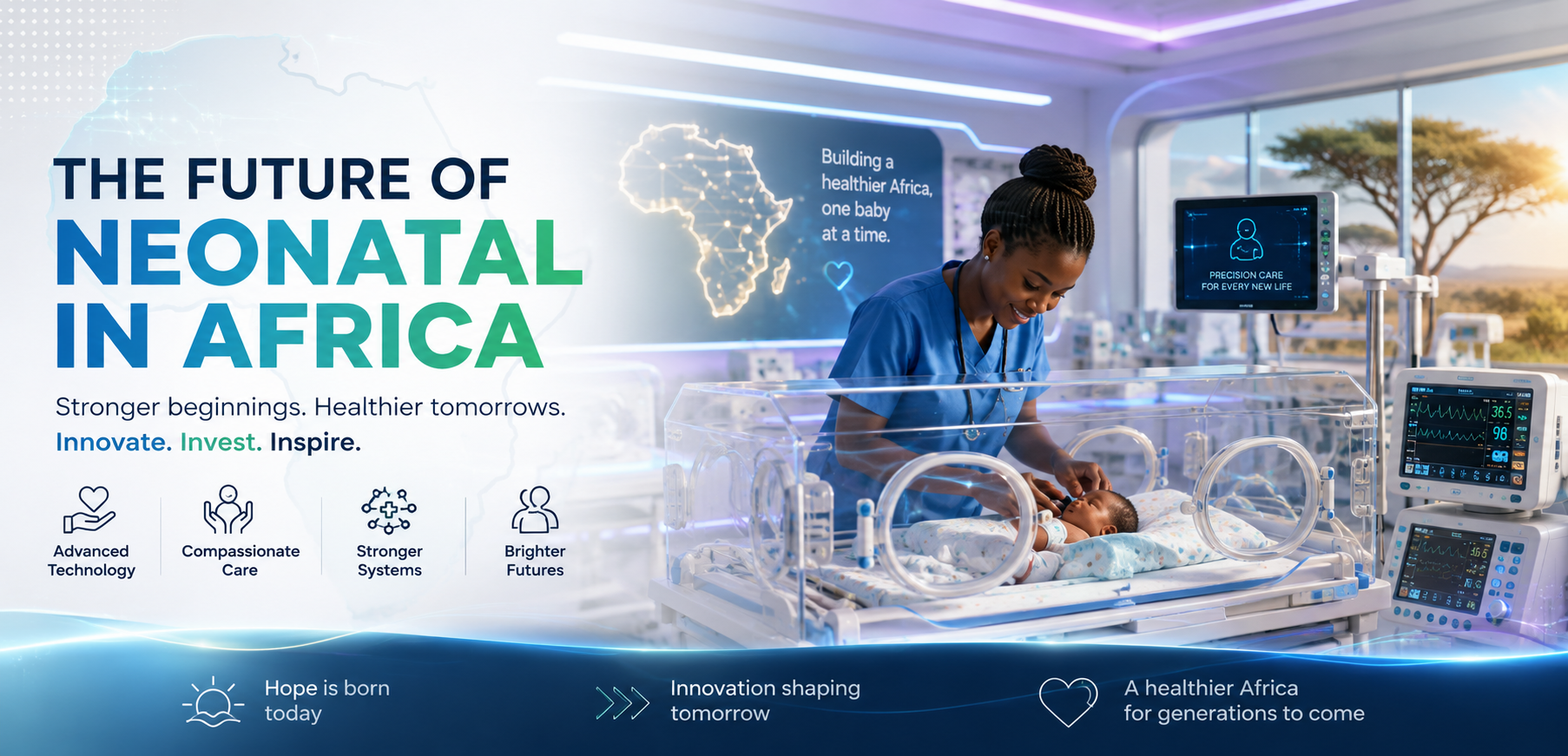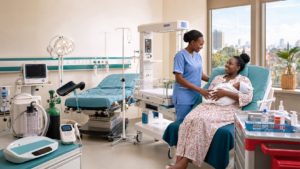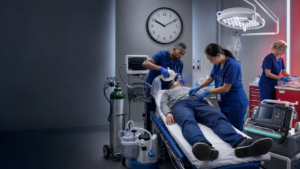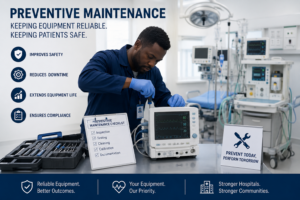

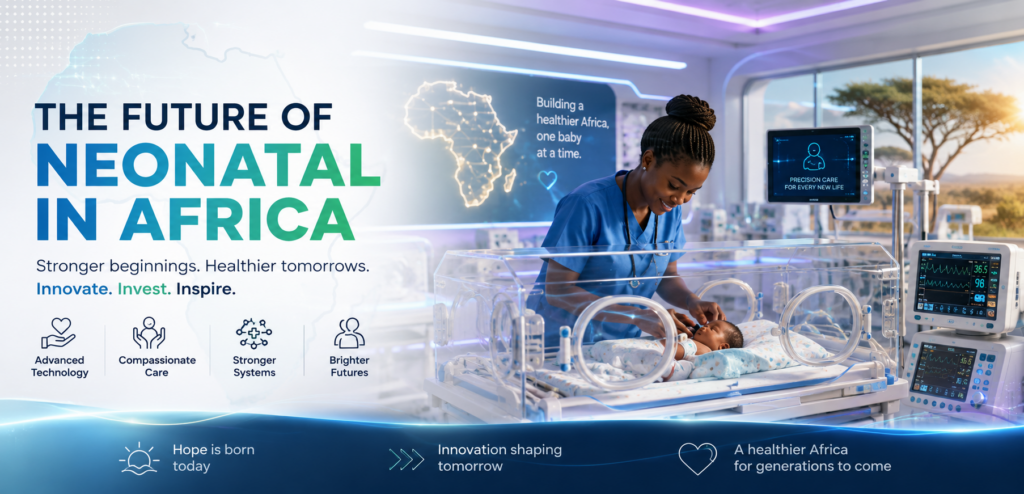
Africa stands at a defining moment in neonatal healthcare. With thousands of newborn lives still lost each year to preventable causes such as prematurity, infections, jaundice, and breathing complications, the continent is now seeing a shift toward smarter, more affordable, and more durable neonatal technologies. In 2026, the future of neonatal care in Africa is not just about buying more equipment—it is about investing in innovations designed for African hospitals, rural clinics, and real-world challenges.
Why Neonatal Innovation Matters Now
The first 28 days of life are the most critical for every baby. Many neonatal deaths happen because facilities lack proper warming systems, respiratory support, monitoring devices, and timely diagnosis tools. Traditional imported machines are often expensive, difficult to repair, and not built for unstable power supply or limited technical support.
That is why 2026 is expected to favor practical, sustainable innovations.
1. Low-Cost Smart Incubators
Modern incubators are evolving beyond simple warming chambers. New low-cost smart incubators now feature:
- Automatic temperature regulation
- Battery backup during power outages
- Oxygen and humidity monitoring
- Remote alerts for nurses
- Easy-to-clean infection-control designs
Some global innovators are also designing incubators under $250–$1,000 for lower-resource settings, dramatically reducing the barrier to neonatal intensive care access.
Why Africa Needs This:
Many county hospitals and maternity centers need reliable incubators more than luxury models.
2. Portable Infant Warmers for Transport
A major challenge in Africa is moving premature babies safely between facilities. Portable infant warmers are becoming game changers in 2026.
These devices:
- Keep babies warm during ambulance transfer
- Operate without continuous electricity
- Are lightweight and mobile
- Improve survival during referrals
UNICEF has already highlighted transport warming innovations as essential for newborn survival.
3. AI-Powered Baby Monitoring Systems
Artificial Intelligence is beginning to reshape neonatal monitoring. Smart systems can now detect early warning signs such as:
- Irregular breathing
- Falling oxygen levels
- Infection risk trends
- Temperature instability
- Apnea episodes
Instead of waiting for emergencies, healthcare teams can intervene earlier. This is especially valuable in hospitals with limited nurse-to-patient ratios.
4. Non-Invasive Jaundice Detection Devices
Neonatal jaundice remains common across Africa. New handheld bilirubin screening devices now allow healthcare workers to assess jaundice without painful blood draws.
Benefits include:
- Faster diagnosis
- Reduced lab delays
- Less stress for newborns
- Earlier phototherapy treatment
UNICEF identifies these tools as high-impact innovations for low-resource newborn care.
5. Affordable CPAP & Respiratory Support
Breathing distress remains one of the top killers of premature babies. In 2026, more hospitals are adopting affordable CPAP systems, oxygen blenders, and compact neonatal ventilators designed for developing markets.
These systems help treat:
- Respiratory Distress Syndrome
- Birth asphyxia recovery
- Pneumonia complications
- Prematurity-related breathing issues
This will likely become one of Africa’s most important neonatal investments.
6. Point-of-Care Ultrasound for Newborn Units
Portable ultrasound systems are becoming smaller, cheaper, and easier to use. They allow doctors to assess newborn lungs, brain complications, and abdominal emergencies at bedside.
Instead of waiting for radiology departments, diagnosis happens instantly.
What African Hospitals Should Prioritize in 2026
When investing in neonatal equipment, hospitals should focus on machines that are:
- Durable
- Easy to repair locally
- Power-efficient
- User-friendly
- Backed by training and support
- Affordable long-term, not just cheap upfront
Kenya and East Africa: A Growing Opportunity
Kenya and neighboring countries are already showing strong momentum in maternal and newborn innovation through partnerships between governments, private suppliers, and international organizations. This trend is likely to accelerate in 2026.
Final Thoughts
The future of neonatal care in Africa will not be built by copying expensive systems from abroad. It will be built through smart, resilient, and locally practical technologies that save babies where they are born.
In 2026, the hospitals that invest wisely in neonatal innovation today will become tomorrow’s leaders in newborn survival.
Because every baby deserves the best possible start in life.
Order from MJ Hospital Supplies today and get free delivery.
You can also follow us on our: Facebook Page: Mj Hospital Supplies for more updates.
Instagram Page:https://www.instagram.com/medjet_hospital/
Pinterest page: https://www.pinterest.com/mjhospitalsupplies/
Linked in page: https://www.linkedin.com/company/medjet-hospital-supplies-ltd/
Twitter Page: https://twitter.com/medjethospital
From Basic to Beautiful: https://www.linkedin.com/pulse/from-basic-beautiful-how-upgrade-your-maternity-nbykf/
How to Upgrade your Maternity Ward: https://mjhospitalsupplies.co.ke/how-to-set-up-a-fully-functional-maternity-ward-even-on-a-budget/
Myths vs Reality: https://www.linkedin.com/pulse/myths-vs-reality-setting-up-maternity-neonatal-by5af/
Maternity Baby cot:https://mjhospitalsupplies.co.ke/product/maternity-baby-cot/