How to Build a Scalable Hospital Department Without Replacing Everything Later, Healthcare facilities are under constant pressure to do more with limited resources. Patient numbers increase, services expand, and expectations for quality care continue to rise. Yet many hospitals, clinics, and maternity centers make one costly mistake when setting up or upgrading departments: they purchase equipment only for today’s needs.
The result?
Within a few years, departments become overcrowded, workflows slow down, equipment becomes incompatible with newer systems, and facilities are forced into expensive replacements that could have been avoided.
The most successful healthcare facilities don’t just buy equipment—they build scalable departments that can grow alongside their services.
Here’s how to create a hospital department that remains efficient, adaptable, and cost-effective for years to come.
What Does a Scalable Hospital Department Mean?
A scalable department is designed to accommodate growth without requiring a complete overhaul of equipment, infrastructure, or workflows.
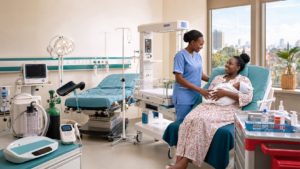
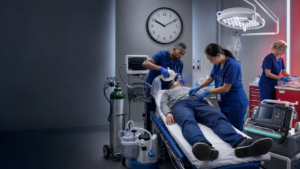
Whether it’s a maternity unit, neonatal department, laboratory, ICU, operating theatre, or outpatient clinic, scalability means:
- Supporting increasing patient volumes
- Adapting to changing healthcare needs
- Integrating new technologies easily
- Maximizing existing investments
- Reducing future replacement costs
Scalability is not about buying the most expensive equipment available. It’s about making smart purchasing decisions that allow room for expansion.
The Hidden Cost of Short-Term Purchasing
Many facilities focus exclusively on immediate budget constraints.
While understandable, this approach often creates bigger expenses in the future.
For example:
A maternity unit purchases delivery beds designed only for basic deliveries. Two years later, the facility expands services and begins handling more complicated cases. The beds no longer meet clinical requirements, forcing the hospital to replace them entirely.
The same situation occurs with:
- Laboratory equipment
- Neonatal care equipment
- Patient monitoring systems
- Surgical equipment
- Hospital furniture
What initially appeared to be a cost-saving decision becomes a costly replacement project.
The smarter question is:
“Will this equipment still support our department five years from now?”
Start With a Growth Plan, Not a Shopping List
Before purchasing any equipment, facility managers should evaluate:
Current Patient Volume
How many patients are being served today?
Expected Growth
What is the projected patient load in the next 3-5 years?
Service Expansion Plans
Will the facility introduce:
- Surgical services?
- Neonatal intensive care?
- Advanced diagnostics?
- Specialized maternity care?
Staffing Plans
Will additional healthcare professionals be hired?
These answers help determine which equipment investments will remain valuable as the facility grows.
Invest in Equipment With Upgrade Potential
One of the biggest mistakes hospitals make is purchasing equipment that cannot evolve.
Modern healthcare equipment often offers modular designs that allow facilities to add functionality later.
Examples include:
Patient Monitors
Instead of replacing an entire monitoring system, facilities can upgrade modules as clinical requirements change.
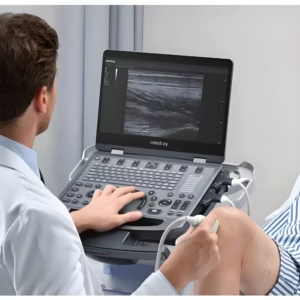
Ultrasound Systems
Portable ultrasound machines with expandable software features allow departments to introduce advanced applications without purchasing a completely new machine.
Hospital Beds
Adjustable and multifunctional beds can support changing patient needs across multiple departments.
Laboratory Equipment
Scalable analyzers allow increased testing capacity as patient numbers grow.
Choosing upgradeable equipment protects long-term investments and reduces future capital expenditure.
Prioritize Workflow Efficiency
Scalability isn’t only about equipment.
It’s also about how people, patients, and resources move within a department.
Questions to consider include:
- Can staff easily access equipment during emergencies?
- Is there enough room for additional equipment in the future?
- Are patient pathways efficient?
- Can services expand without disrupting operations?
Poor layout planning often creates bottlenecks that become more severe as patient numbers increase.
A well-designed department allows growth without sacrificing efficiency.
Think Beyond Clinical Equipment
Many facilities focus on major medical devices but overlook supporting equipment that significantly impacts scalability.
These include:
- Medical trolleys
- Storage systems
- Instrument cabinets
- Procedure carts
- Workstations
- Utility furniture
Without proper organization systems, even the most advanced department can become inefficient.
An organized workspace reduces delays, improves productivity, and creates capacity for growth.
Standardization Reduces Future Costs
Another key strategy is standardizing equipment across departments whenever possible.
Benefits include:
Easier Staff Training
Healthcare workers become familiar with similar systems throughout the facility.
Simplified Maintenance
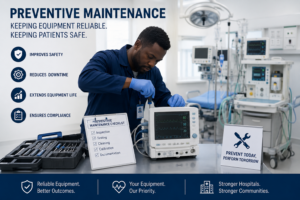
Biomedical teams can manage equipment more efficiently.
Lower Spare Parts Costs
Facilities avoid stocking multiple types of replacement parts.
Improved Procurement Efficiency
Future purchases become easier and more cost-effective.
Standardization creates consistency while supporting long-term scalability.
Don’t Ignore Infrastructure Requirements
Many hospitals invest in equipment without considering future infrastructure needs.
Examples include:
- Electrical capacity
- Medical gas systems
- Network connectivity
- Space requirements
- Backup power systems
When departments expand, infrastructure limitations often become the biggest obstacle.
Planning for future capacity from the beginning helps avoid expensive renovations later.
Choose Partners, Not Just Suppliers
The right supplier should do more than deliver equipment.
A healthcare equipment specialist should help facilities:
- Assess current needs
- Forecast future growth
- Recommend scalable solutions
- Provide installation support
- Offer training and after-sales service
- Advise on equipment integration
The goal is not simply to sell equipment today but to support the facility’s long-term development.
Real Scalability Begins With Strategic Procurement
Hospital growth is a sign of success. However, growth should not force facilities into repeated cycles of equipment replacement and costly renovations.
By focusing on scalability from the beginning, healthcare facilities can:
Reduce long-term costs
Improve operational efficiency
Support better patient outcomes
Adapt to future healthcare demands
Maximize return on investment
The facilities that thrive tomorrow are the ones making strategic equipment decisions today.
Partner With Medjet Hospital Supplies
At Medjet Hospital Supplies, we help healthcare facilities invest in equipment solutions designed for both current needs and future growth. From maternity units and neonatal departments to laboratories, theatres, and critical care environments, our team works closely with healthcare providers to recommend scalable solutions that deliver lasting value.
Whether you’re building a new department or upgrading an existing one, we can help you create a healthcare environment that grows with your facility—without unnecessary replacement costs.
Talk to our specialists today:
📞 0792 220 281
🌐 www.mjhospitalsupplies.co.ke
Build for tomorrow. Invest with confidence. Scale without compromise.
Order from MJ Hospital Supplies today and get free delivery.
You can also follow us on our: Facebook Page: Mj Hospital Supplies for more updates.
Instagram Page:https://www.instagram.com/medjet_hospital/
Pinterest page: https://www.pinterest.com/mjhospitalsupplies/
Linked in page: https://www.linkedin.com/company/medjet-hospital-supplies-ltd/
Twitter Page: https://twitter.com/medjethospital
Linkedin Blog Post: https://www.linkedin.com/pulse/what-modern-patients-expect-from-healthcare-9pxbf/