
In today’s healthcare environment, the right equipment does more than support care — it protects lives, improves efficiency, and safeguards hospital revenue.
Yet, across many hospitals and clinics in Kenya, we continue to see the same costly equipment mistakes repeated.
The good news? Most of them are completely avoidable.
Let’s break them down 👇
1️⃣ Buying Based on Price Instead of Value

The Mistake:
Many facilities choose the cheapest option to reduce capital expenditure. However, low-cost equipment often means:
- Frequent breakdowns
- Limited warranty
- Expensive spare parts
- Poor after-sales support
Over time, this increases operational costs.
How to Avoid It:
✔ Evaluate Total Cost of Ownership (TCO)
✔ Ask about warranty duration and spare part availability
✔ Confirm local technical support
✔ Prioritize durability over initial price
💡 Remember: A slightly higher upfront investment can save millions in downtime and repairs.
2️⃣ Ignoring Equipment Compatibility
The Mistake:
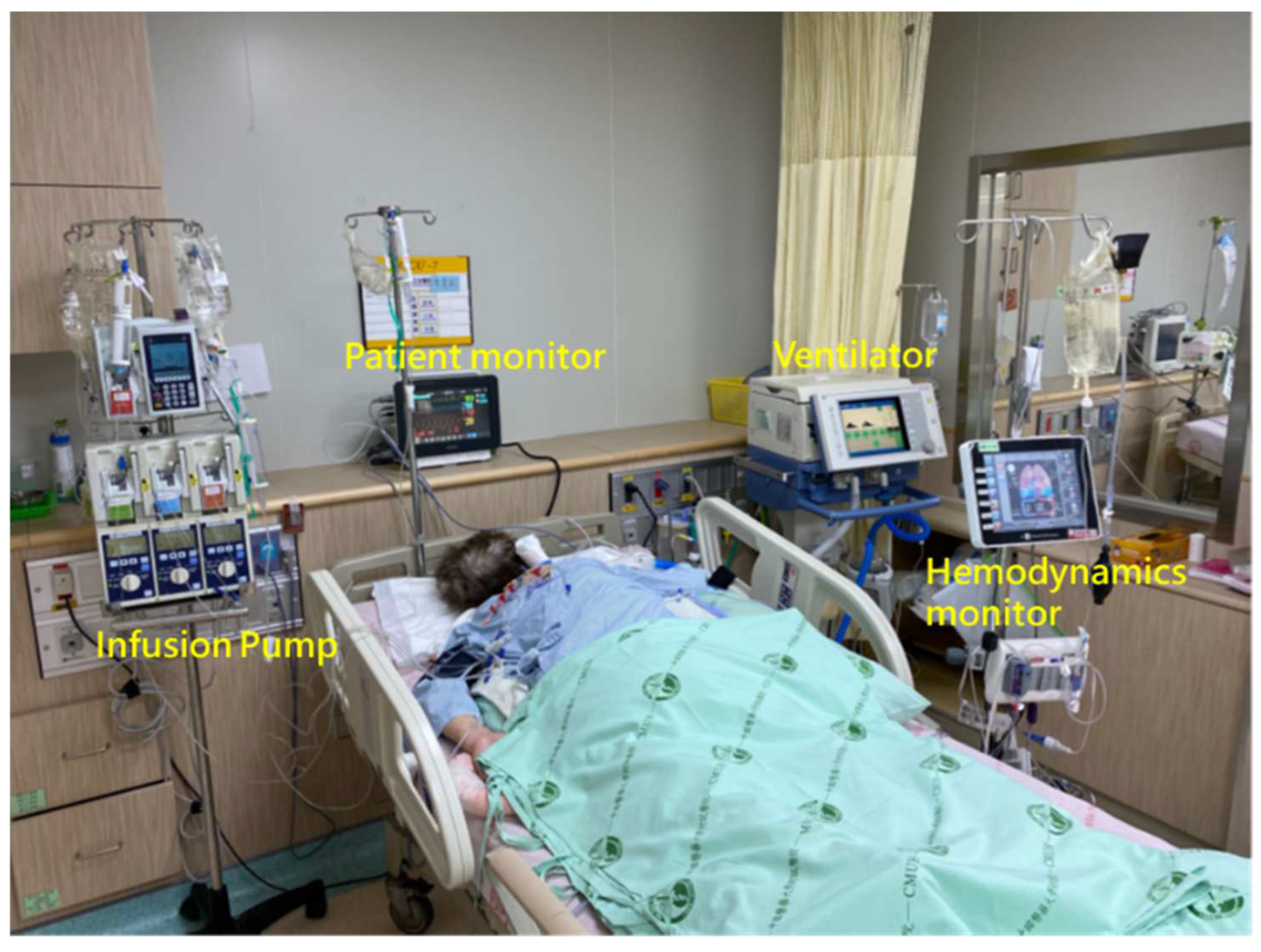
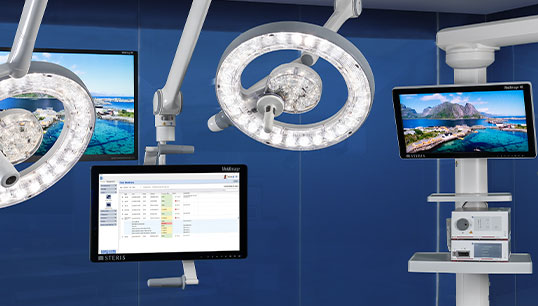
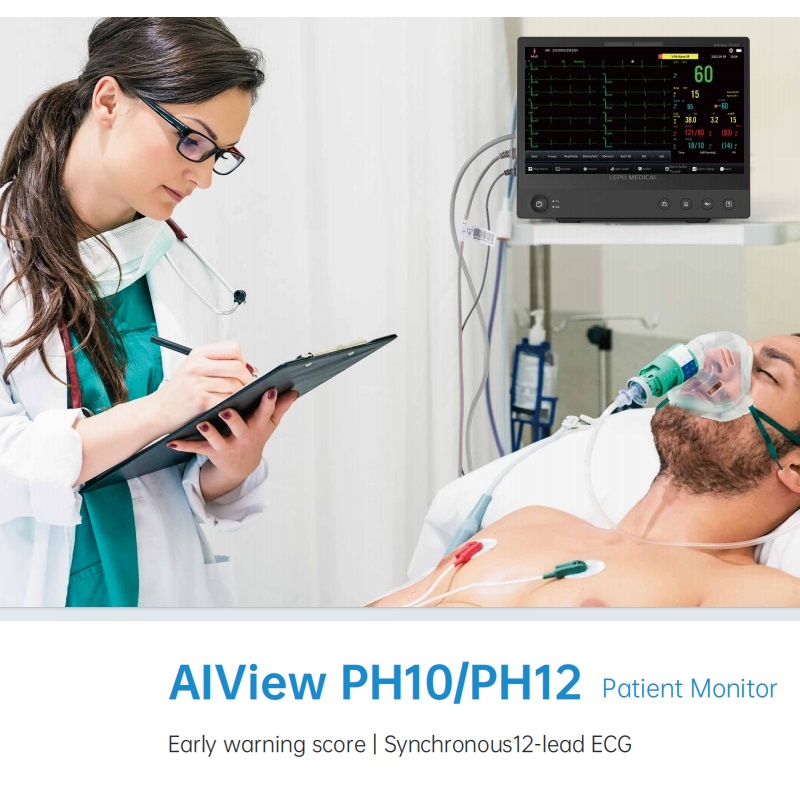
Buying devices that do not integrate with existing systems — especially in ICU, theatre, or maternity units.
For example:
- Monitors that cannot connect to central monitoring systems
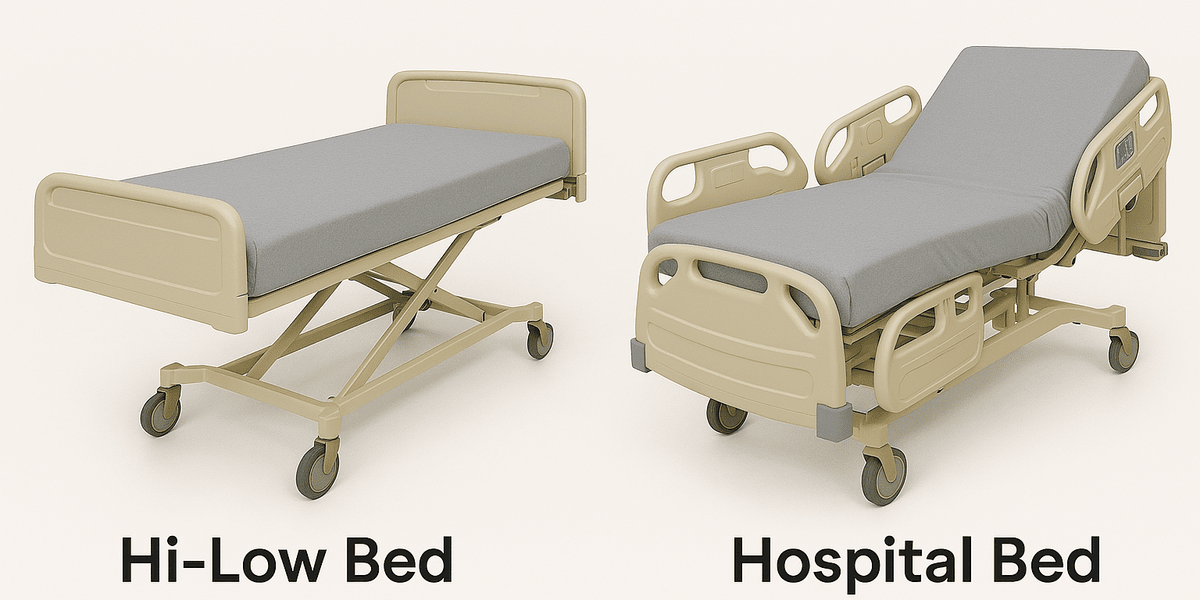
- Beds that don’t fit ward layout
- Equipment requiring voltage specifications not available locally
How to Avoid It:
✔ Conduct a technical needs assessment
✔ Involve biomedical engineers before purchasing
✔ Confirm compatibility with your current infrastructure
Smart hospitals plan before they purchase.
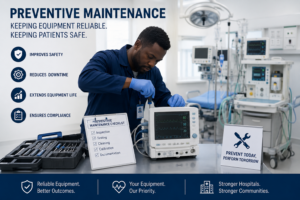
3️⃣ Overlooking Preventive Maintenance
The Mistake:
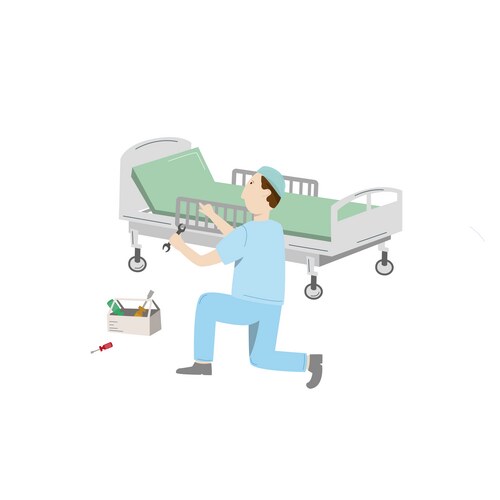
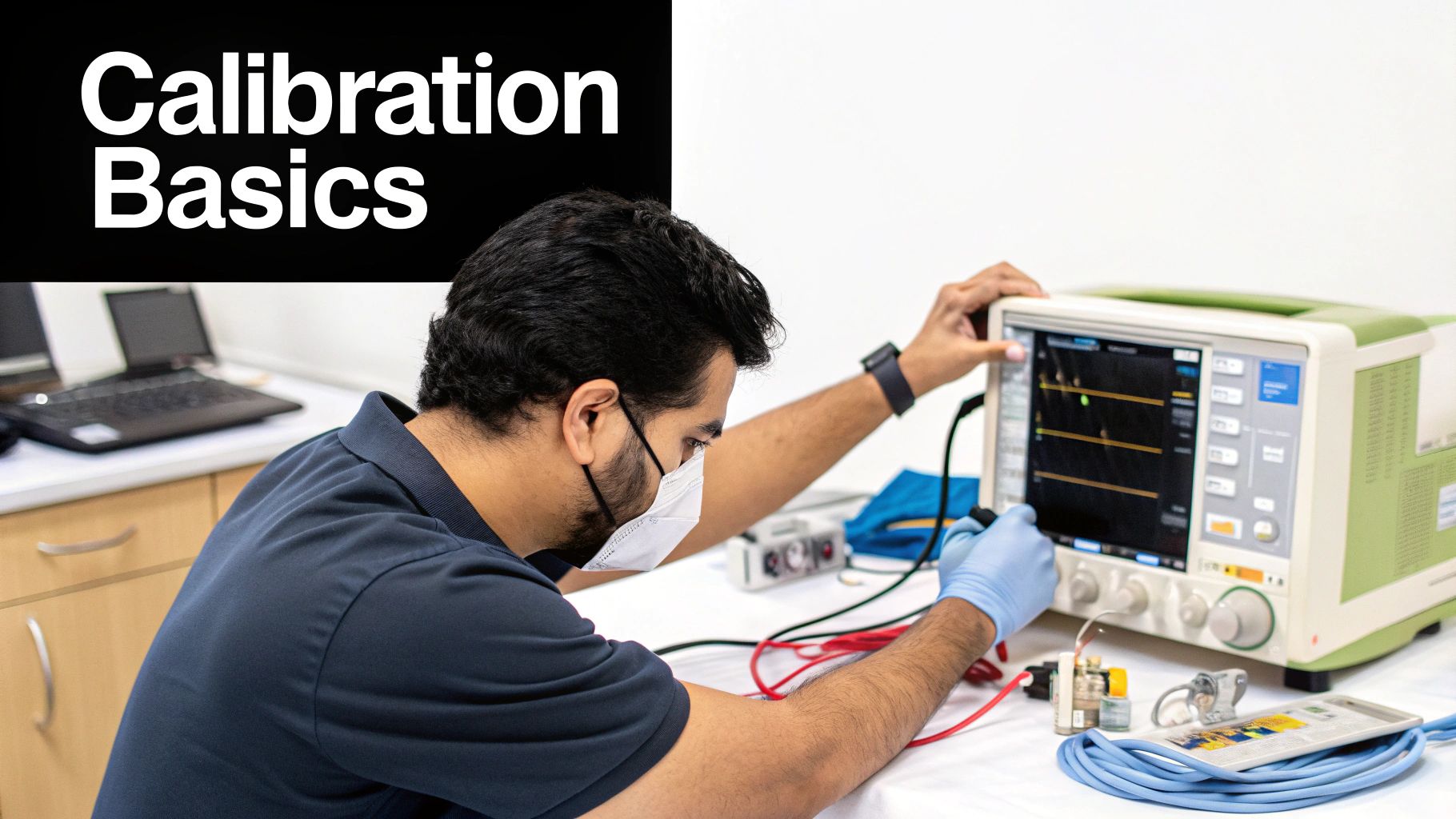
Many facilities buy equipment but fail to create a preventive maintenance plan.
This leads to:
- Sudden breakdowns
- Increased repair costs
- Safety risks
- Equipment downtime
How to Avoid It:
✔ Schedule quarterly preventive maintenance
✔ Keep maintenance records
✔ Train staff on proper handling
✔ Partner with suppliers offering service contracts
Downtime is not just a technical issue — it is a revenue leak.
4️⃣ Buying Without Staff Training
The Mistake:
Advanced equipment is purchased, but staff are not trained properly.
The result?
- Underutilized features
- User errors
- Equipment damage
- Compromised patient care
How to Avoid It:
✔ Request onsite training during installation
✔ Ask for operation manuals and demo sessions
✔ Assign departmental equipment champions
Technology only works when people know how to use it.
5️⃣ Failing to Plan for Future Growth

The Mistake:
Buying equipment for today’s needs without considering future expansion.
For example:
- Purchasing beds without scalability options
- Not planning for increased ICU capacity
- Choosing models that cannot be upgraded
How to Avoid It:
✔ Forecast patient growth
✔ Align purchases with 3–5 year strategic plans
✔ Choose modular and upgradeable systems
Hospitals that plan ahead spend less in the long run.
Bonus: The Silent Mistake — Buying from the Wrong Supplier
Not all suppliers are equal.
Before choosing a vendor, ask:
- Do they provide installation?
- Do they offer after-sales service?
- Do they stock spare parts locally?
- Can they respond quickly in emergencies?
Your supplier should be a long-term partner, not just a salesperson.
Final Thoughts
Hospital equipment mistakes are expensive — financially and clinically.
However, with proper planning, technical assessment, and the right partner, they are completely preventable.
If you are reviewing your 2026 procurement strategy, ask yourself:
Are we buying for price — or for performance?
Do we have a preventive maintenance plan?
Is our equipment aligned with our growth vision?
Making the right decisions today ensures safer patients, more efficient staff, and stronger hospital performance tomorrow.
Frequently Asked Questions (FAQ)
Q1: What is the biggest hospital equipment mistake?
Buying based on price alone without evaluating long-term cost and reliability.
Q2: How often should hospital equipment be serviced?
Most critical equipment should undergo preventive maintenance at least quarterly, depending on manufacturer recommendations.
Q3: Why is after-sales support important?
Because equipment downtime can interrupt patient care and reduce hospital revenue.
Order from MJ Hospital Supplies today and get free delivery.
You can also follow us on our: Facebook Page: Mj Hospital Supplies for more updates.
Instagram Page:https://www.instagram.com/medjet_hospital/
Pinterest page: https://www.pinterest.com/mjhospitalsupplies/
Linked in page: https://www.linkedin.com/company/medjet-hospital-supplies-ltd/
Twitter Page: https://twitter.com/medjethospital
February Blogs