Introduction: Why Medical Equipment Buying Has Changed in 2026
The Ultimate Medical Equipment Buyer’s Guide for Hospitals in Kenya (2026 Edition), in 2026, medical equipment purchasing in Kenya is no longer just about price—it’s about performance, compliance, longevity, and patient outcomes.
With rising patient expectations, stricter regulatory oversight, and growing competition between private and public healthcare facilities, hospitals must invest smartly in equipment that delivers long-term value.
This ultimate buyer’s guide is designed to help hospital administrators, procurement officers, clinicians, and healthcare investors in Kenya make confident, future-proof equipment decisions.
Why a Strategic Medical Equipment Buying Guide Matters
Poor purchasing decisions lead to:
- Frequent breakdowns
- High maintenance costs
- Non-compliance with KEBS & Ministry of Health standards
- Compromised patient safety
A strategic approach ensures:
✅ Better clinical outcomes
✅ Lower long-term costs
✅ Regulatory compliance
✅ Improved hospital reputation
Step 1: Understand Your Hospital’s Real Equipment Needs
Before contacting any supplier, ask these critical questions:
1. Level of Care
- Primary care clinic
- Level 4, 5, or 6 hospital
- Specialized centre (maternity, ICU, diagnostics)
2. Patient Volume
High patient turnover requires durable, heavy-duty equipment, not entry-level models.
3. Clinical Specialisation
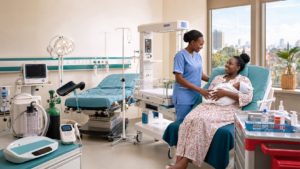
A maternity hospital will prioritise:
- Delivery beds
- Fetal monitors
- Infant warmers
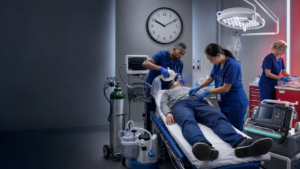
An ICU-focused hospital needs:
- ICU beds
- Ventilators
- Patient monitors
Step 2: Know the Must-Have Medical Equipment in 2026
Core Hospital Equipment (Non-Negotiable)
- Hospital beds (manual, semi-electric, full electric, ICU)
- Patient monitors
- Oxygen concentrators
- Infusion & syringe pumps
- Defibrillators (AEDs)
- Suction machines
- Examination couches
Diagnostic & Imaging Equipment
- Digital X-ray machines
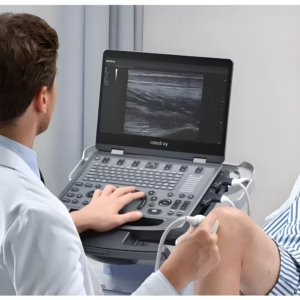
- Portable ultrasound machines
- ECG machines
- Patient vital signs monitors
Specialized Equipment (Depending on Facility)
- Hydraulic delivery beds
- Neonatal incubators
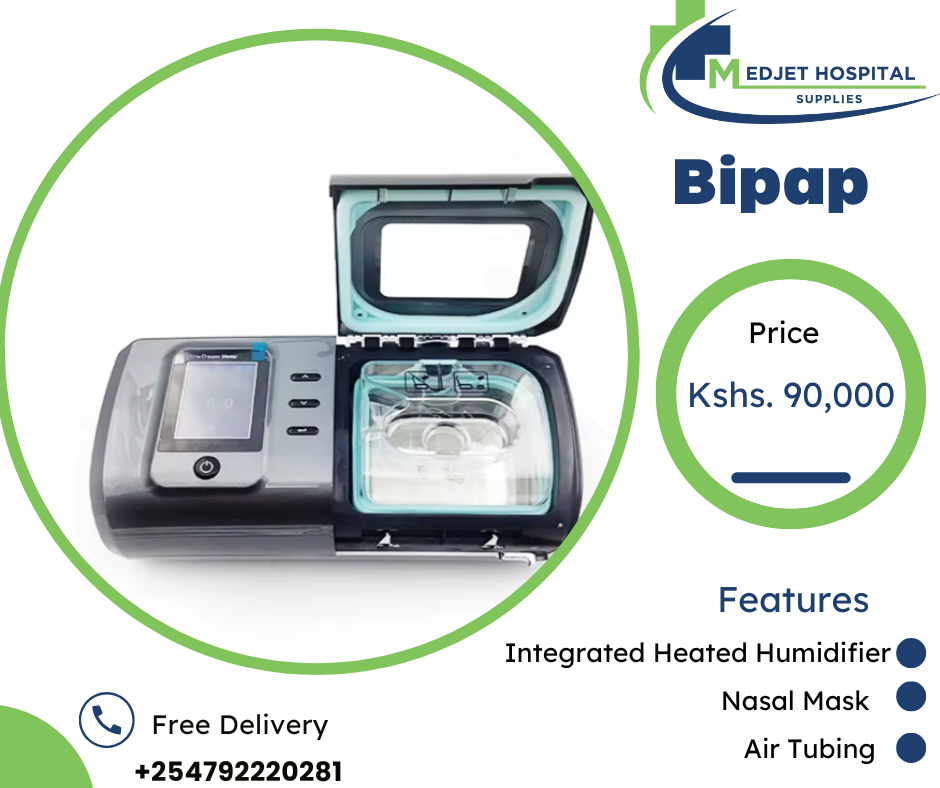
- CPAP & BiPAP machines
- Ripple & pressure-relief mattresses
Step 3: Compliance & Regulatory Standards in Kenya
In 2026, compliance is non-negotiable.
Ensure all equipment:
- Meets KEBS standards
- Is approved by the Ministry of Health (MOH)
- Has clear documentation and certification
- Includes serial numbers & traceability
💡 Buying non-compliant equipment can lead to closure, penalties, or legal liability.
Step 4: Quality vs Price – The Biggest Buying Mistake
Many hospitals still make the mistake of buying the cheapest option.
Why cheap equipment costs more long-term:
- Frequent repairs
- Short lifespan
- Poor patient experience
- No spare parts support
What to prioritise instead:
✔ Build quality
✔ Warranty (minimum 1–2 years)
✔ Availability of spare parts in Kenya
✔ Local technical support
Step 5: Technology Trends Shaping Medical Equipment in 2026
Kenyan hospitals are increasingly investing in:
- Electric & smart hospital beds
- Portable diagnostic equipment
- Energy-efficient machines
- Digital monitoring systems
- Homecare-ready equipment
These technologies improve:
- Workflow efficiency
- Patient comfort
- Staff productivity
Step 6: After-Sales Support Is Just as Important as the Equipment
When choosing a medical equipment supplier in Kenya, confirm:
- Do they offer installation?
- Do they provide user training?
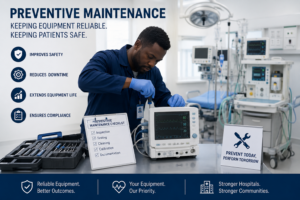
- Is preventive maintenance available?
- How fast is technical support response time?
🚨 A great machine without support becomes useless when it breaks down.
Step 7: Budgeting Smartly for Medical Equipment
Instead of buying everything at once:
- Prioritise critical care equipment
- Plan phased upgrades
- Invest first in high-impact areas (ICU, maternity, diagnostics)
Think in terms of return on investment (ROI), not just purchase cost.
Step 8: Choosing the Right Medical Equipment Supplier in Kenya
A reliable supplier should offer:
- Proven industry experience
- Transparent pricing
- Local presence
- Strong after-sales support
- Product training
Hospitals that work with trusted suppliers experience fewer disruptions and better long-term performance.
Common Medical Equipment Buying Mistakes to Avoid
❌ Buying without clinical input
❌ Ignoring compliance requirements
❌ Choosing price over quality
❌ No maintenance plan
❌ No warranty or support agreement
Final Thoughts: Future-Proof Your Hospital in 2026
Medical equipment is not an expense—it’s an investment in patient safety, hospital growth, and reputation.
Hospitals that invest wisely in 2026 will:
- Attract more patients
- Improve clinical outcomes
- Reduce operational costs
- Stay compliant and competitive
Looking for Trusted Medical Equipment in Kenya?
Whether you’re upgrading an existing hospital or setting up a new facility, working with the right equipment partner makes all the difference.
Quality. Compliance. Long-term value.
Order from MJ Hospital Supplies today and get free delivery.
You can also follow us on our: Facebook Page: Mj Hospital Supplies for more updates.
Instagram Page:https://www.instagram.com/medjet_hospital/
Pinterest page: https://www.pinterest.com/mjhospitalsupplies/
Linked in page: https://www.linkedin.com/company/medjet-hospital-supplies-ltd/
Twitter Page: https://twitter.com/medjethospital