
“Instrument Tray with Lid” has been added to your cart. View cart
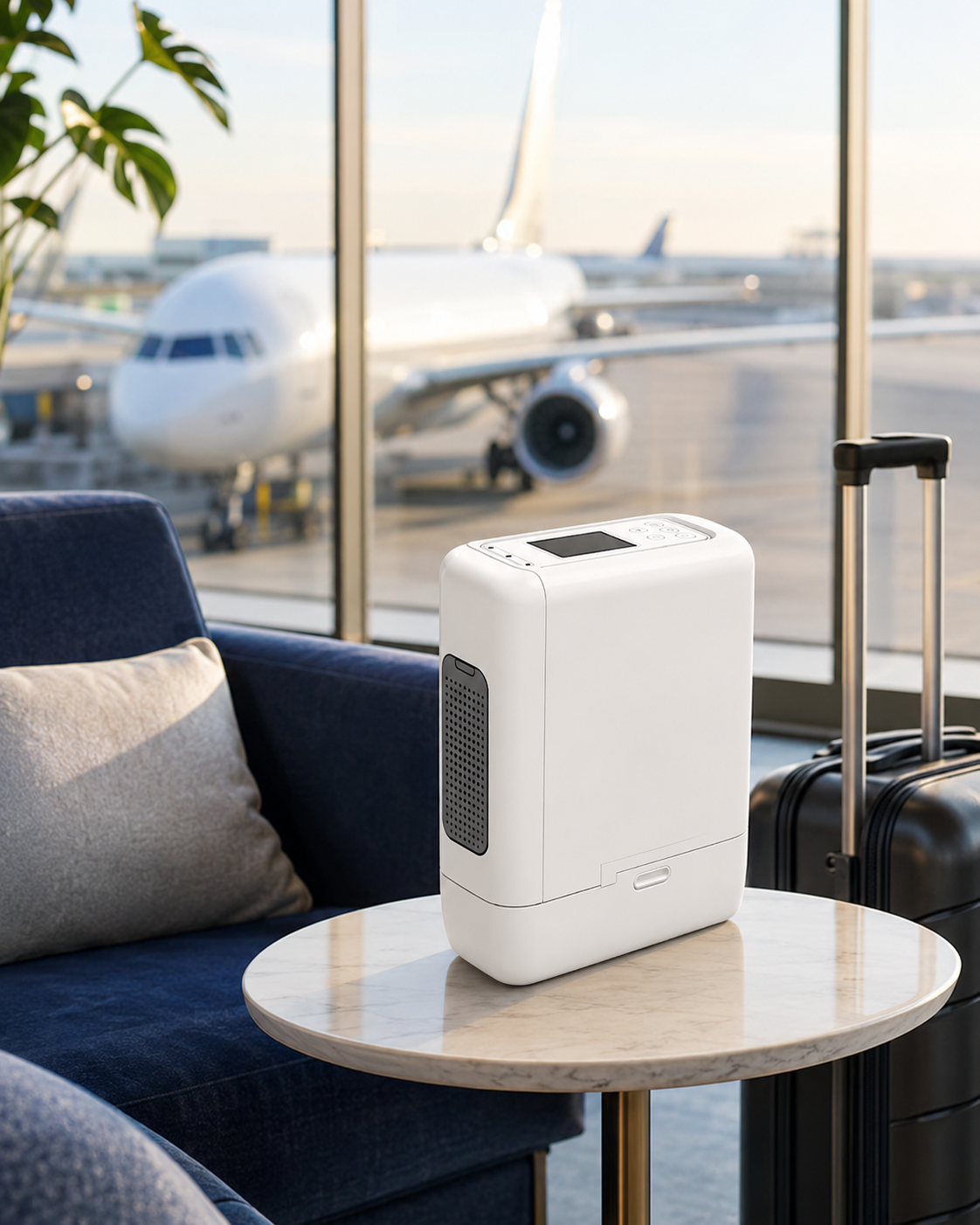
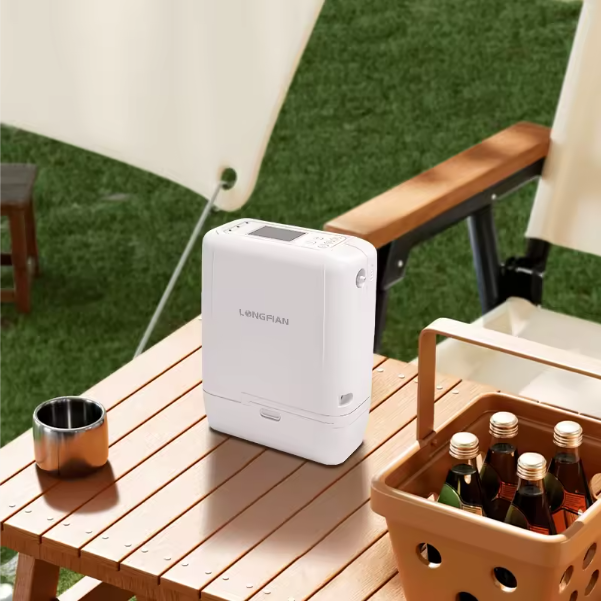
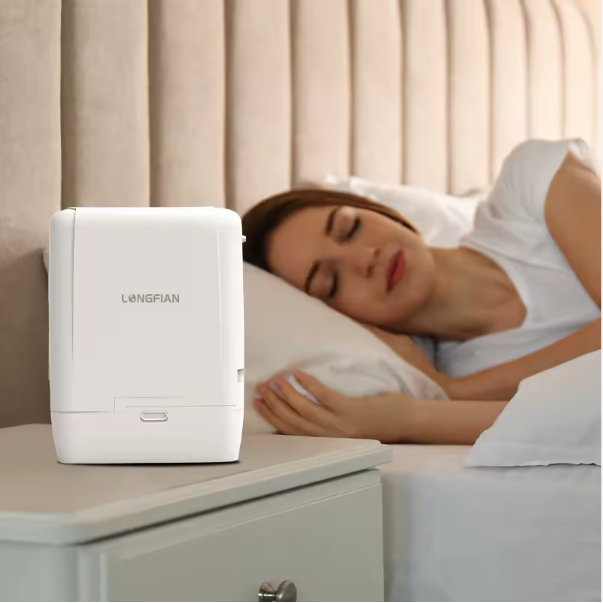
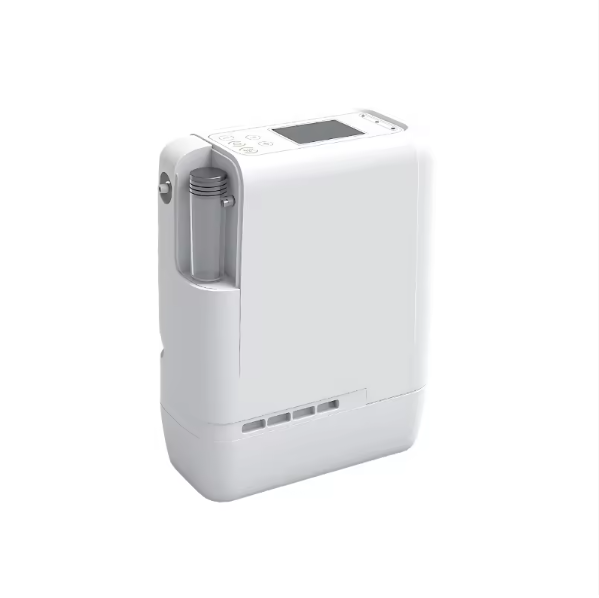
Portable Oxygen Concentrator for Travel
KSh150,000.00
Frequently Asked Questions (FAQ)
Is a portable oxygen concentrator allowed on flights?
Yes. Most modern portable oxygen concentrators are FAA-approved for air travel. Always confirm with the airline before flying.
How long does the battery last?
Battery life varies by model but typically ranges from 4 to 12 hours, with extended battery options available.
Can it be used at home?
Absolutely. Many users rely on portable concentrators both at home and while traveling.
Does it require maintenance?
Minimal maintenance is needed. Regular filter cleaning and proper storage are usually sufficient.
Categories Homecare Equipment, Medical Equipment
Brand: Longfian
Portable Oxygen Concentrator for Travel –
Flight-Approved Freedom Wherever You Go
Travelling with oxygen should not
mean giving up your independence.
A portable oxygen concentrator for travel gives people
who require oxygen therapy a practical way to stay active,
visit family, attend appointments
and explore new destinations with greater confidence.
Unlike traditional oxygen cylinders,
a portable oxygen concentrator draws in surrounding air,
removes most of the nitrogen and delivers concentrated oxygen to the user.
There is no heavy cylinder to refill,
making it a convenient solution for everyday movement,
road trips and air travel.
Travel Comfort Without the Burden of an Oxygen Cylinder
Planning a journey while using oxygen can feel overwhelming.
You may worry about battery life, airport procedures,
carrying equipment or finding oxygen supplies at your destination.
A travel-friendly oxygen concentrator removes many of these concerns.
Its compact design makes it easier to carry through airports,
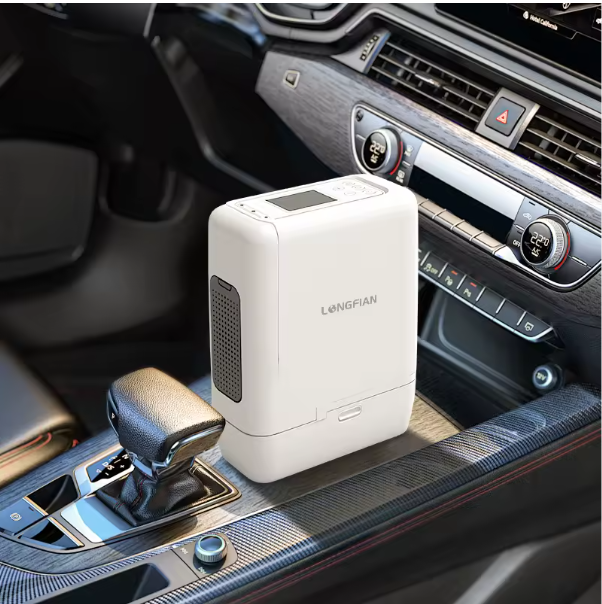
place beside a car seat or move around a hotel.
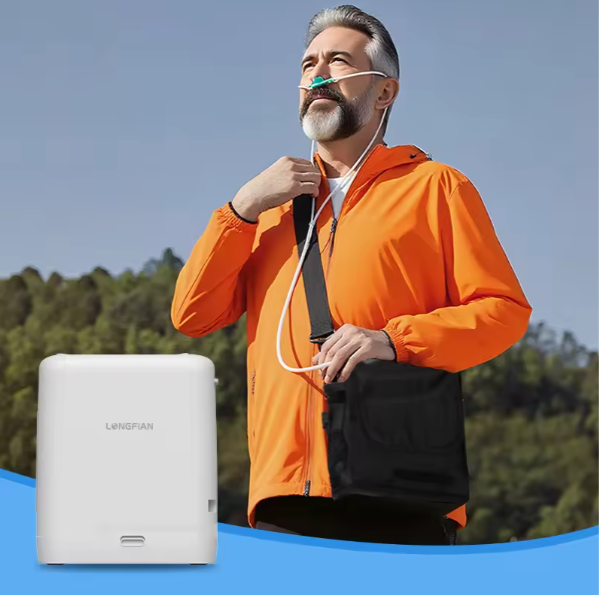
Depending on the model, it can be carried using a shoulder bag,
protective case or wheeled trolley.
Most importantly, it allows the user to focus less on
the equipment and more on the journey.
What Does “Flight Approved” Mean?
A flight-approved portable oxygen concentrator is a model that meets
the relevant aviation safety requirements for use aboard an aircraft.
However, approval is model-specific. A concentrator being portable
does not automatically mean it can be used during a flight.
Before travelling, always:
- Confirm that the exact model is accepted by your airline.
- Notify the airline well before the departure date.
- Ask whether medical documentation is required.
- Carry enough charged batteries for the flight and possible delays.
- Keep the manufacturer’s label visible on the device.
- Obtain clearance from your doctor before flying.
Airline requirements can differ, so passengers should never rely
on the words “flight approved” alone. Written confirmation
from the airline provides greater peace of mind.
Key Features of a Portable Oxygen Concentrator for Travel
Lightweight, portable construction
A compact concentrator is easier
to manage at home and while travelling.
Weight matters, especially when walking through
large airports or taking longer trips.
Reliable battery operation
Rechargeable batteries allow the unit
to operate away from a wall socket.
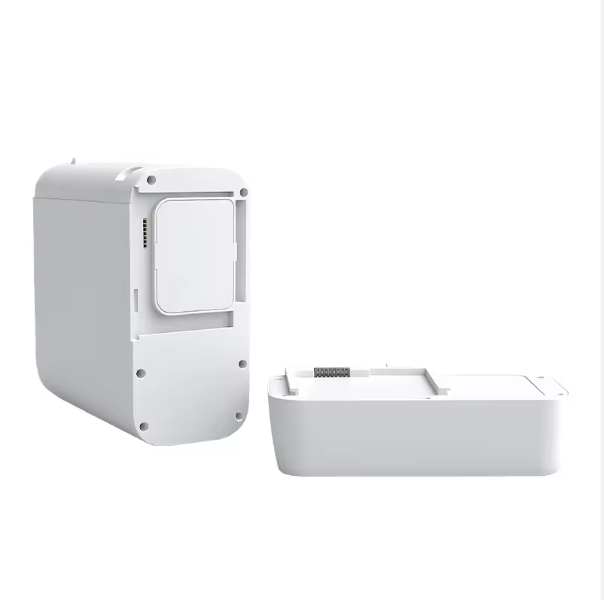
Some models support additional batteries,
helping users prepare for extended journeys and unexpected delays.
Multiple charging options
Depending on the model, the concentrator may be charged
using a standard AC power outlet, compatible
vehicle power supply or an external battery charger.
Adjustable oxygen settings
Portable concentrators commonly provide pulse-dose oxygen,
while selected models may also offer continuous-flow delivery.
The appropriate flow setting must be prescribed
by a qualified healthcare professional.
Clear and simple controls
An easy-to-read screen, visible indicators and audible alarms
make the concentrator more reassuring to use,
particularly when travelling in unfamiliar surroundings.
Quiet operation
Low operating noise helps the user rest,
hold conversations and travel without unnecessary disturbance.
Pulse Dose or Continuous Flow: Which One Do You Need?
Pulse-dose concentrators deliver oxygen when the device detects an inhalation.
This technology can reduce power consumption and support a smaller,
lighter design. However, it may not suit every user.
Continuous-flow models deliver oxygen at a steady rate.
They may be more appropriate for certain prescriptions,
but they are often larger and may consume more battery power.
A setting number on one concentrator
does not necessarily equal the same oxygen output on another model.
Your clinician should confirm whether the device can
meet your oxygen needs during rest, activity and sleep.
Who May Benefit from a Portable Oxygen Concentrator for Travel?
A portable concentrator may be suitable for people living with conditions
that cause low blood-oxygen levels, including some cases of:
- Chronic obstructive pulmonary disease
- Interstitial lung disease
- Pulmonary fibrosis
- Chronic respiratory insufficiency
- Other conditions requiring prescribed supplemental oxygen
The device should only be used following a clinical assessment.
It is not intended to replace emergency medical care or a ventilator.
Preparing for a Flight with Your Portable Concentrator for Travel
Good preparation can make
the difference between a stressful journey
and a comfortable one.
Contact the airline before booking whenever possible
and provide the concentrator’s manufacturer and model details.
Ask how many batteries you must carry and whether
they need to be stored in individual protective covers.
Batteries should have enough capacity for the journey,
including check-in, boarding, flight time, connections and delays.
Keep the concentrator, medication, batteries
and important documents in your hand luggage.
Do not place essential respiratory equipment in checked baggage
unless the airline specifically instructs you to do so.
It is also wise to carry:
- A copy of your oxygen prescription
- Your clinician’s contact details
- The concentrator user manual
- Charging accessories and plug adapters
- Your airline’s confirmation
- A list of local medical contacts at the destination
Choosing the Right Portable Oxygen Concentrator for Travel
The smallest machine is not always the best machine.
The right choice is the one that safely meets
your prescribed oxygen requirement and fits the way you live.
Before purchasing, consider:
- Prescribed oxygen delivery mode and setting
- Weight of the unit with its battery
- Expected battery duration at your required setting
- Charging time and spare-battery availability
- Noise level
- Alarm functions
- Ease of maintenance
- Availability of filters and accessories
- Warranty and local technical support
- Acceptance by the airline you intend to use
For travelers in Kenya, dependable after-sales support is especially valuable.
A concentrator is a medical device, so access to product guidance,
compatible accessories and servicing matters long after the initial purchase.
Travel with Greater Confidence
Oxygen therapy should support your quality of life, not make your world feel smaller.
With the correct portable oxygen concentrator, proper medical guidance
and careful travel planning, you can move more confidently
while keeping your prescribed oxygen close.
At Medjet Hospital Supplies, we help individuals, families and healthcare professionals
select portable oxygen solutions based on clinical requirements,
mobility needs and intended travel use.
Contact us today for guidance on choosing a portable oxygen concentrator
for home use, road travel or air travel in Kenya.
Frequently Asked Questions about Portable Oxygen Concentrator for Travel
Can I carry a portable oxygen concentrator on a plane?
Many airlines allow eligible portable oxygen concentrators,
but acceptance depends on the exact device model and the airline’s policy.
Contact your airline before travelling and complete any required medical forms.
Can I use the concentrator throughout the flight?
This depends on airline approval,
your prescription and the device’s battery capacity.
The airline may require the machine to remain accessible
and operational during particular stages of the journey.
How many batteries should I take?
Airlines commonly expect passengers to carry sufficient battery power
for the planned journey plus additional time for delays.
Ask your airline for its specific requirement before departure.
Can I charge the device on the aircraft?
Do not assume that onboard power will be available or compatible.
Plan the journey using fully charged batteries,
even if the aircraft offers electrical outlets.
Is a portable oxygen concentrator the same as an oxygen cylinder?
No. A cylinder stores a limited quantity of compressed oxygen,
while a concentrator produces concentrated oxygen
from surrounding air whenever it has a suitable power source.
Can I use any flow setting that feels comfortable?
No. Oxygen is a prescribed therapy. Use only the delivery mode
and setting recommended by your healthcare provider.
Order from MJ Hospital Supplies today and get free delivery.
You can also follow us on our: Facebook Page: Mj Hospital Supplies for more updates.
Instagram Page:https://www.instagram.com/medjet_hospital/
Pinterest page: https://www.pinterest.com/mjhospitalsupplies/
Linked in page: https://www.linkedin.com/company/medjet-hospital-supplies-ltd/
Twitter Page: https://twitter.com/medjethospital