
Plasma Preparation Tube
KSh6,500.00
PPT vs PST vs EDTA vs Serum Tubes
Although these tubes may look similar, they serve different purposes.
| Tube | Typical additive | Sample produced | Common application |
|---|---|---|---|
| PPT | K2EDTA and separation gel | EDTA plasma | Compatible molecular and infectious-disease tests |
| PST | Lithium heparin and separation gel | Heparin plasma | Compatible clinical chemistry tests |
| Standard EDTA tube | K2EDTA or K3EDTA, usually without gel | Whole blood or manually separated plasma | Haematology and selected molecular tests |
| Serum separator tube | Clot activator and gel | Serum | Compatible chemistry, serology and immunology tests |
| Sodium-citrate tube | Sodium citrate | Citrated plasma | Coagulation testing |
PPT and PST tubes are not interchangeable. PPT tubes commonly contain K2EDTA,
whereas PST tubes usually contain lithium heparin. BD blood collection tube information
Similarly, a standard EDTA tube does not usually contain separation gel.
Therefore, laboratory personnel may need to transfer the plasma into a secondary tube after centrifugation.
Category Laboratory Equipment
Plasma Preparation Tube in Kenya: Uses, Benefits and Buying Guide
Accurate laboratory results start with proper specimen collection.
Therefore, laboratories need high-quality blood collection tubes that
protect sample integrity from collection to analysis.
Plasma preparation tubes, also known as PPT tubes, allow laboratories to collect,
separate and transport plasma efficiently. They combine an anticoagulant with a separation gel,
which helps produce a clean plasma specimen after centrifugation.
Medjet Hospital Supplies Ltd supplies reliable plasma preparation tubes to
hospitals, diagnostic laboratories, research centres and healthcare facilities across Kenya.
What is Plasma Preparation Tube?
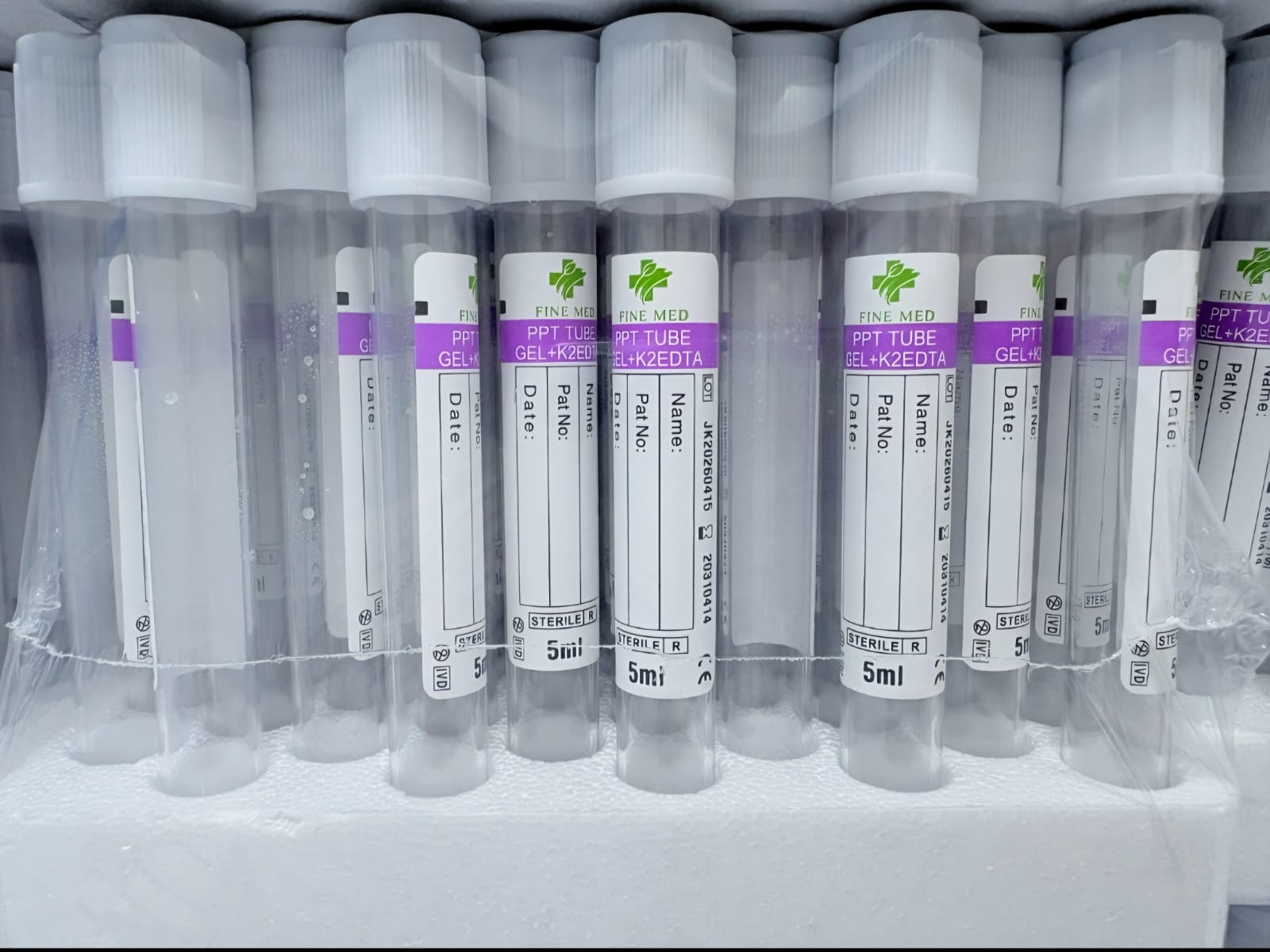
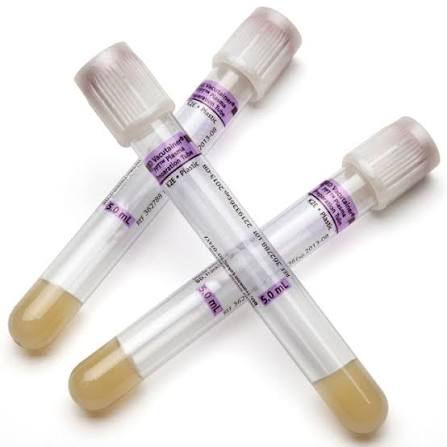
A plasma preparation tube is an evacuated blood collection tube designed for plasma separation.
Most PPT tubes contain:
- K2EDTA anticoagulant
- A polymer separation gel
- A secure, colour-coded closure
- A sterile vacuum system
- A clear patient-labelling area
K2EDTA prevents the blood from clotting. Meanwhile, the gel creates a physical barrier between
the plasma and blood cells during centrifugation.
As a result, laboratory professionals can access the separated plasma more easily.
The barrier also limits contact between the plasma and cellular components
during approved storage and transport conditions.
For example, BD identifies K2EDTA and a pearl-white closure among the key features of
its plasma preparation tubes. However, specifications differ between manufacturers.
Consequently, laboratories should always check the product label and instructions for use. BD Vacutainer PPT specifications
How Do Plasma Preparation Tube Work?
Plasma preparation tubes use a simple four-stage process.
1. Blood collection
First, the healthcare professional draws venous blood directly into the evacuated tube.
The tube’s vacuum controls the intended draw volume.
2. Gentle mixing
Next, the collector gently inverts the tube according to the manufacturer’s instructions.
This action distributes the anticoagulant throughout the sample and prevents clot formation.
3. Centrifugation
The laboratory then centrifuges the tube using the recommended force, time and temperature.
During this process, blood cells move toward the bottom while plasma remains above them.
4. Plasma separation
Finally, the polymer gel moves into position between the plasma and cellular components.
This gel barrier keeps the two layers separate and simplifies access to the plasma.
Because processing instructions vary, laboratories should never apply one centrifugation setting to every tube.
Instead, they should follow the tube manufacturer’s instructions and the requirements of the intended test.
Why Do Laboratories Use PPT Tubes?
Plasma preparation tubes simplify several stages of specimen handling. More importantly,
they help laboratories maintain consistent pre-analytical procedures.
Key benefits include:
- Fast and efficient plasma separation
- Fewer manual transfer steps
- Reduced risk of cross-contamination
- Better protection against cellular remixing
- Easier plasma handling
- Improved laboratory workflow
- Safer specimen transportation
- More consistent sample preparation
- Potentially faster turnaround times
- Reduced need for secondary tubes in compatible workflows
In addition, plasma does not require a clotting period before centrifugation.
Therefore, laboratories may begin processing it sooner than serum.
WHO guidance also notes that plasma can provide approximately 15–20%
more volume than serum from an equivalent blood collection. WHO guidance on anticoagulants
What Are Plasma Preparation Tubes Used For?
Laboratories commonly use PPT tubes when an assay requires EDTA plasma.
Depending on the test manufacturer’s instructions, applications may include:
- Viral-load testing
- HIV molecular testing
- Nucleic-acid amplification tests
- Infectious-disease investigations
- Molecular diagnostic procedures
- Plasma archiving
- Biobanking
- Clinical research
- Public-health surveillance
- Specialised reference-laboratory testing
For instance, the CDC laboratory directory accepts pearl-top plasma preparation tubes for
certain molecular-testing workflows. It also notes that heparin can interfere with
some PCR procedures. CDC laboratory test directory
Nevertheless, one tube cannot serve every test. Before collection, laboratory personnel must confirm
that the intended assay accepts EDTA plasma from a gel-separator tube.
Key Features of Quality Plasma Preparation Tube
K2EDTA anticoagulant
K2EDTA prevents clotting by binding calcium in the blood. Consequently,
it helps laboratories obtain plasma instead of serum.
However, EDTA can interfere with certain laboratory tests.
Therefore, users must confirm assay compatibility before collecting the specimen.
Reliable gel barrier
During centrifugation, the gel should form a stable barrier between the plasma and blood cells.
This separation improves specimen access and helps reduce cellular contamination.
Accurate draw volume
The vacuum should collect the stated blood volume.
Proper filling maintains the intended relationship between the blood and anticoagulant.
Secure closure
A well-designed closure helps prevent leaks, spills and accidental exposure.
Furthermore, it supports safer specimen transport and handling.
Clear labelling area
Clear identification reduces the risk of patient or specimen errors.
Laboratories should record the patient identifier, collection time,
collection date and other required information.
Durable tube material
The tube should withstand normal collection, centrifugation, storage and transport conditions.
In addition, its dimensions should fit the facility’s tube holders,
centrifuge carriers and laboratory automation systems.
How to Use Plasma Preparation Tube Correctly
Laboratories should follow these general steps:
- Confirm that the requested test accepts an EDTA plasma specimen.
- Check the tube’s expiry date and packaging.
- Identify the patient using the approved procedure.
- Label the tube clearly.
- Collect blood until the tube reaches its correct draw volume.
- Gently invert the tube immediately after collection.
- Inspect the sample for clots, leakage or haemolysis.
- Centrifuge the tube according to the manufacturer’s instructions.
- Keep the tube upright after centrifugation.
- Store or transport the sample under test-specific conditions.
- Record collection and processing times when required.
Some K2EDTA PPT manufacturers recommend 8–10 gentle inversions after collection.
However, users should always follow the instructions supplied with the exact tube they purchase. BD blood collection guidance
Common Mistakes to Avoid
Choosing the wrong additive
Different tests require different specimens. For example, a molecular assay may accept EDTA plasma,
while a chemistry assay may require serum or heparin plasma.
Therefore, laboratory staff should verify tube compatibility before collection.
Underfilling the tube
An underfilled tube changes the blood-to-additive relationship. As a result,
it may affect specimen quality or test performance.
Shaking the sample
Vigorous shaking may damage blood cells and cause haemolysis.
Instead, collectors should mix the sample through gentle inversions.
Using the wrong centrifuge settings
Incorrect force or time may prevent the gel from forming a stable barrier.
Furthermore, excessive centrifugation may damage the specimen or tube.
Always use relative centrifugal force, expressed as × g, when required.
RPM alone may produce different forces in centrifuges with different rotor sizes.
Delaying specimen processing
Some analytes and molecular targets change over time. Therefore, laboratories should process,
store and transport samples within the specified timelines.
Disturbing the gel after centrifugation
Rough handling may disrupt the barrier and allow cells to mix with the plasma again.
Consequently, staff should keep centrifuged tubes upright and handle them carefully.
How to Choose the Right Plasma Preparation Tube
Before ordering PPT tubes, consider the following factors:
- Intended laboratory test
- Type and concentration of anticoagulant
- Required blood draw volume
- Available plasma yield
- Tube dimensions
- Closure type
- Manufacturer’s centrifugation instructions
- Compatibility with analysers and centrifuges
- Packaging quantity
- Expiry date
- Storage conditions
- Quality and regulatory documentation
- Reliability of the supplier
Additionally, estimate your average monthly usage before ordering.
This step helps you maintain adequate stock without purchasing more tubes
than your laboratory can use before expiry.
Why Buy Plasma Preparation Tube from Medjet?
Medjet Hospital Supplies Ltd understands that laboratories need more than basic consumables.
They need dependable products, consistent availability and responsive technical support.
We support hospitals, laboratories and research institutions with:
- Quality plasma preparation tubes
- Suitable draw volumes and pack sizes
- Product-selection assistance
- Reliable delivery across Kenya
- Competitive quotations
- Responsive customer support
- A wide range of laboratory equipment and consumables
Furthermore, our team can help you match tube specifications with your operational requirements.
However, your laboratory should make the final selection according to the
assay manufacturer’s instructions and validated procedures.
Frequently Asked Questions About Plasma Preparation Tube
What is a plasma preparation tube?
A plasma preparation tube collects anticoagulated blood and
separates plasma from blood cells after centrifugation. It usually contains K2EDTA and a polymer gel.
What colour is a PPT tube?
Many PPT tubes use a pearl-white stopper. However, manufacturers may use different colours.
Therefore, always identify the tube by its label, additive and product reference—not by colour alone.
Does a PPT tube contain EDTA?
Most PPT tubes contain K2EDTA. Nevertheless,
buyers should confirm the additive on the packaging before use.
Is a PPT tube the same as a purple-top EDTA tube?
No. Both tubes may contain EDTA, but a PPT tube also contains a gel that
separates plasma from blood cells during centrifugation.
Is a PPT tube the same as a PST tube?
No. PPT tubes typically contain EDTA, while PST tubes usually contain lithium heparin.
As a result, the two tubes may support different tests.
Can laboratories use PPT tubes for coagulation testing?
Routine coagulation tests generally require sodium-citrate tubes.
Therefore, laboratories should not replace citrate tubes with K2EDTA plasma preparation tubes.
Can PPT tubes be used for PCR testing?
Some molecular assays accept plasma collected in PPT tubes.
However, the laboratory must confirm the required tube and specimen type in the assay instructions.
How many times should staff invert a PPT tube?
The required number depends on the manufacturer. Some manufacturers recommend 8–10 gentle inversions.
Always check the product’s instructions for use.
Can laboratories freeze plasma inside a PPT tube?
Freezing requirements depend on the tube and assay. Therefore, laboratories must validate whether
they should freeze the original tube or transfer the plasma into an approved secondary container.
Where can I buy plasma preparation tubes in Kenya?
Medjet Hospital Supplies Ltd supplies plasma preparation tubes and other laboratory consumables
to healthcare and research facilities throughout Kenya.
Order Plasma Preparation Tubes in Kenya
Improve your laboratory’s specimen-handling process with dependable
plasma preparation tubes from Medjet Hospital Supplies Ltd.
Contact us today to request product specifications,
available tube sizes, pack quantities and a competitive quotation.
For professional laboratory use only. Always follow the manufacturer’s instructions,
your laboratory’s standard operating procedures and the requirements of the intended test.
Order from MJ Hospital Supplies today and get free delivery.
You can also follow us on our: Facebook Page: Mj Hospital Supplies for more updates.
Instagram Page:https://www.instagram.com/medjet_hospital/
Pinterest page: https://www.pinterest.com/mjhospitalsupplies/
Linked in page: https://www.linkedin.com/company/medjet-hospital-supplies-ltd/
Twitter Page: https://twitter.com/medjethospital
https://mjhospitalsupplies.co.ke/product/edta-purple-vacutainer-tube/
https://mjhospitalsupplies.co.ke/product-category/laboratory-equipment/