
Kenyan hospitals are entering a critical transition period. Between rising patient expectations, tighter regulatory oversight, and rapid medical technology advancements, 2026–2027 will reward hospitals that plan early and punish those that delay.
Whether you manage a Level 3 facility or a large referral hospital, understanding upcoming medical equipment trends in Kenya is no longer optional—it’s a strategic necessity.
This guide breaks down the most important medical equipment trends Kenyan hospitals should prepare for before 2027, in a clear, practical, and decision‑focused way.
1. Smart & Connected Medical Equipment (IoT‑Enabled Devices)
Hospitals are moving away from standalone machines toward connected medical equipment that shares data in real time.
What this means in practice:
- Vital sign monitors that transmit patient data directly to nursing stations
- ICU equipment that triggers alerts before critical failure
- Smart infusion pumps that reduce medication errors
Why this matters for Kenyan hospitals:
- Improves response time in busy wards
- Reduces human error
- Supports digital record‑keeping initiatives under Kenya’s health digitization agenda
Hospitals still buying “offline” equipment risk early obsolescence by 2027.
👉 Interactive question: Are your monitors and ICU devices able to integrate with future hospital information systems?
2. Increased Demand for Portable & Mobile Medical Equipment
Healthcare delivery in Kenya is becoming more decentralized. Outreach programs, homecare services, and satellite clinics are growing fast.
Trending portable equipment includes:
- Portable ultrasound machines
- Mobile X‑ray units
- Portable oxygen concentrators
- Compact patient monitors
Why this trend is accelerating:
- Expansion of home‑based care
- Emergency response needs in rural and peri‑urban areas
- Space limitations in urban hospitals
By 2027, mobility will be a purchasing priority, not a bonus feature.
3. Automation to Address Staff Shortages
Kenya, like many countries, faces a growing shortage of skilled healthcare workers. Smart automation is becoming the silent solution.
Equipment driving this shift:
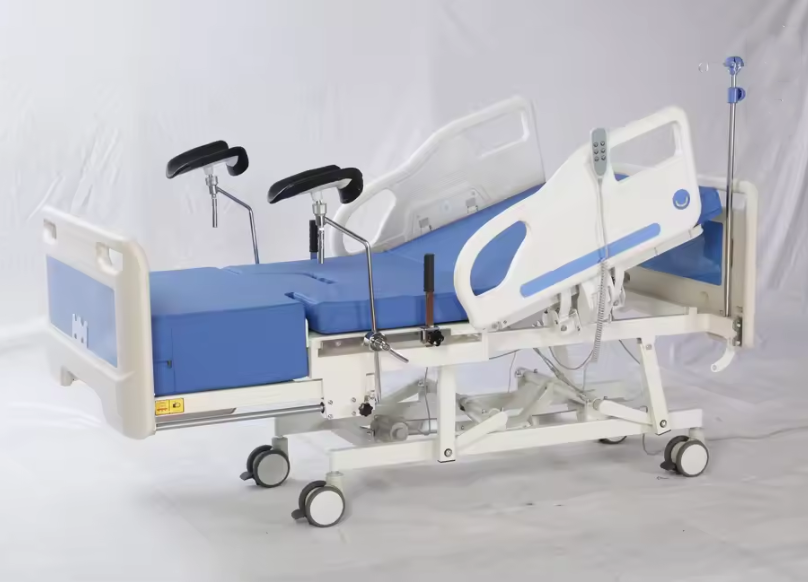
- Automated hospital beds (electric ICU & obstetric beds)
- Digital medication dispensing systems
- Automated sterilization and CSSD equipment
Key benefits:
- Reduces physical strain on nurses
- Improves workflow efficiency
- Allows staff to focus more on patient care
Hospitals investing in automation now will scale faster without increasing staffing costs.
4. Preventive Maintenance‑Friendly Equipment
Downtime is becoming one of the biggest hidden costs in Kenyan hospitals.
New purchasing behavior:
Hospitals are prioritizing equipment that:
- Has locally available spare parts
- Includes predictive maintenance alerts
- Comes with local technical support
Why this trend is critical before 2027:
- SHIF and private insurers are pushing performance accountability
- Equipment failure directly affects revenue and patient trust
Buying cheaper equipment with poor service support is no longer sustainable.
👉 Quick check: Does your supplier offer long‑term service contracts and local technical teams?
5. Energy‑Efficient & Power‑Smart Equipment
With rising electricity costs and occasional power instability, energy efficiency is no longer optional.
Hospitals are now demanding:
- Low‑power ICU and theatre equipment
- Battery‑backup capable devices
- Solar‑compatible medical systems
Impact by 2027:
Hospitals that invest in power‑smart equipment will reduce operational costs and experience fewer service interruptions.
This trend is especially important for:
- Rural hospitals
- Mission hospitals
- Facilities operating 24/7 critical care units
6. Digitally Integrated Diagnostic Equipment
Diagnostics is one of the fastest‑evolving areas in medical technology.
Key trends to watch:
- Digital imaging replacing analog systems
- AI‑assisted diagnostics in radiology and ultrasound
- Seamless integration with Electronic Medical Records (EMR)
Why Kenyan hospitals must prepare:
- Faster diagnosis = shorter patient stay
- Improved reporting accuracy
- Better compliance with international standards
By 2027, manual reporting systems will be a competitive disadvantage.
7. Rising Focus on Maternal & Critical Care Equipment
Maternal health and critical care remain national priorities in Kenya.
High‑growth equipment categories:
- Electric obstetric delivery beds
- Neonatal warmers and incubators
- Advanced ICU beds and ventilators
- Multi‑parameter patient monitors
Hospitals upgrading these departments will not only meet compliance needs but also build stronger community trust.
8. Compliance‑Driven Equipment Procurement
Regulatory scrutiny is increasing. By 2027, hospitals will be expected to meet stricter compliance standards.
Equipment must increasingly meet:
- KEBS standards
- International certifications (CE, ISO, FDA where applicable)
- Traceability and service documentation requirements
Procurement decisions will shift from price‑based to compliance‑based.
How Kenyan Hospitals Should Prepare Now
To stay ahead before 2027, hospitals should:
- Audit existing medical equipment for future compatibility
- Prioritize scalable and upgrade‑friendly devices
- Choose suppliers with strong after‑sales support
- Invest in staff training alongside new technology
- Align purchases with long‑term hospital growth plans
Final Thoughts
The future of healthcare in Kenya is smarter, more connected, and efficiency‑driven. Hospitals that prepare early will enjoy better patient outcomes, smoother operations, and stronger financial performance.
The question is no longer whether these trends will arrive—but whether your hospital will be ready before 2027.
Want guidance on choosing future‑ready medical equipment for your facility? Talk to a trusted supplier who understands Kenya’s healthcare landscape and long‑term hospital needs.
Order from MJ Hospital Supplies today and get free delivery.
You can also follow us on our: Facebook Page: Mj Hospital Supplies for more updates.
Instagram Page:https://www.instagram.com/medjet_hospital/
Pinterest page: https://www.pinterest.com/mjhospitalsupplies/
Linked in page: https://www.linkedin.com/company/medjet-hospital-supplies-ltd/
Twitter Page: https://twitter.com/medjethospital
Electric Obstetric Beds: https://mjhospitalsupplies.co.ke/product/electric-obstetrics-bed/
Infant Warmer: https://mjhospitalsupplies.co.ke/product/infant-radiant-warmer-bn-100/
Infant Incubators: https://mjhospitalsupplies.co.ke/product/infant-incubators/
ICU Equipment: https://mjhospitalsupplies.co.ke/product-category/icu-equipment/